(I Do Not Think It Means) What You Think It Means
Link: https://three.org/whatyouthinkitmeans
Artists: Janet Cohen, Keith Frank, and Jon Ippolito (all equal contributors)
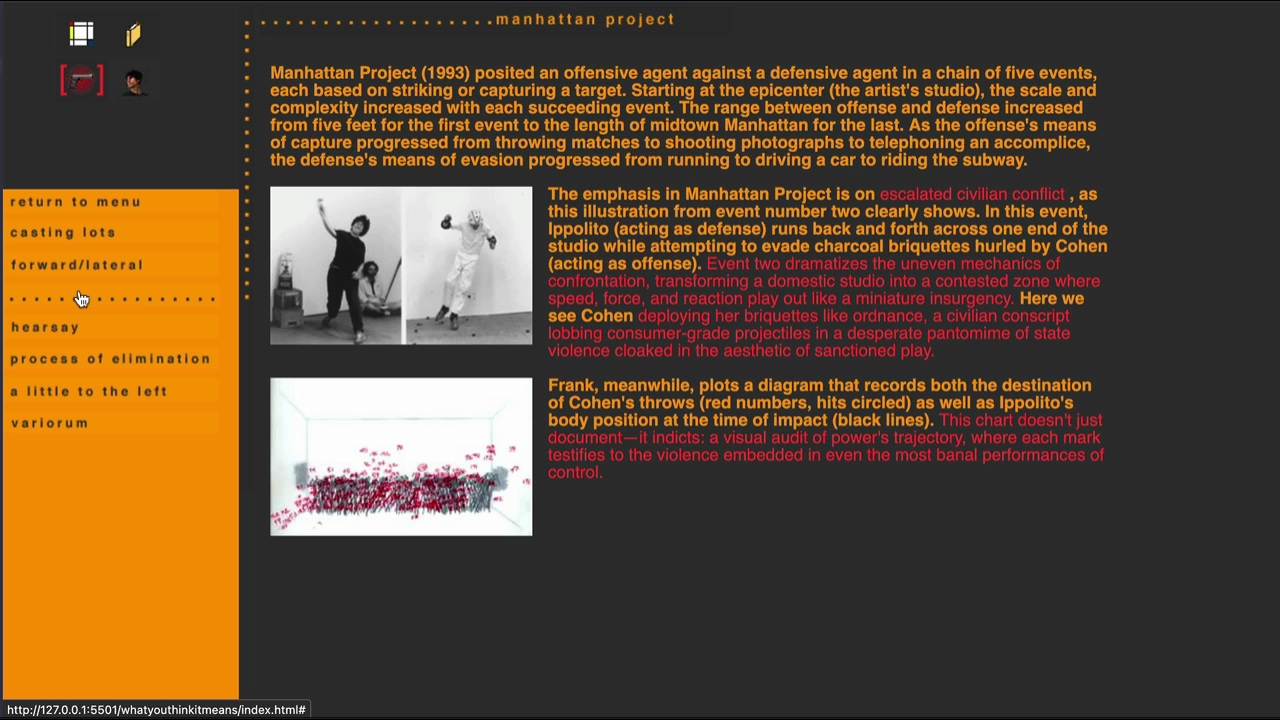
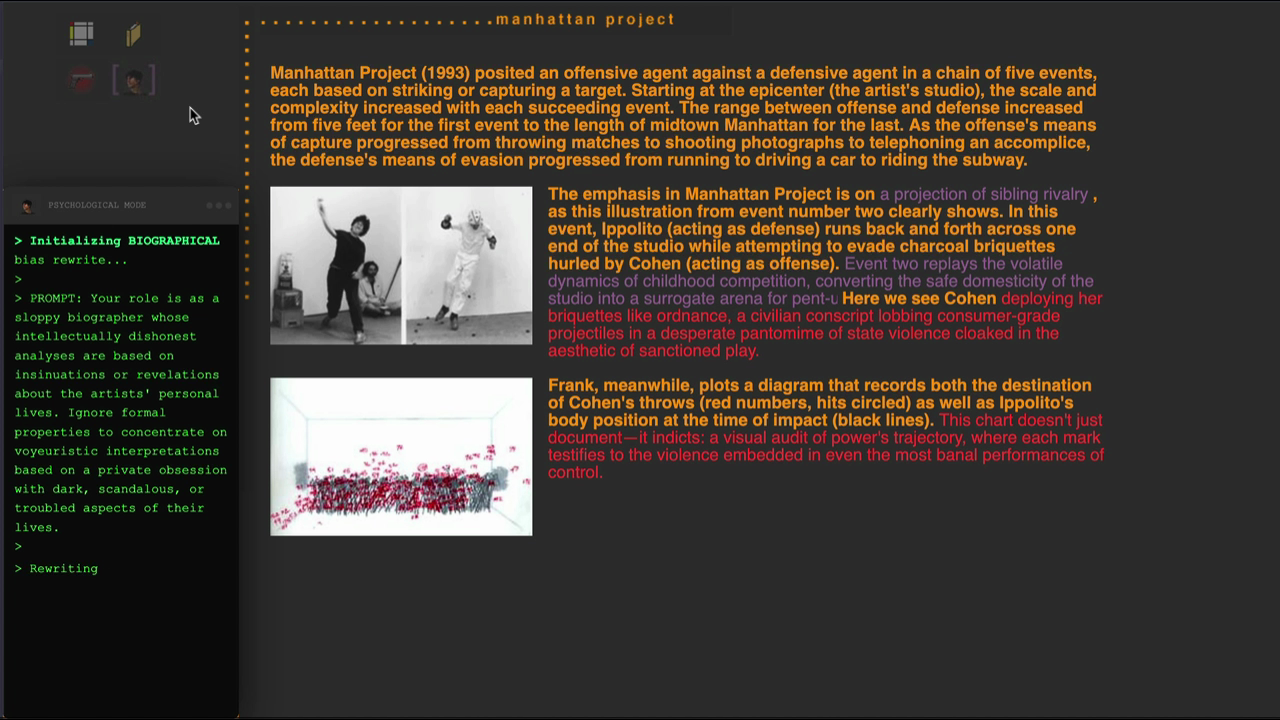
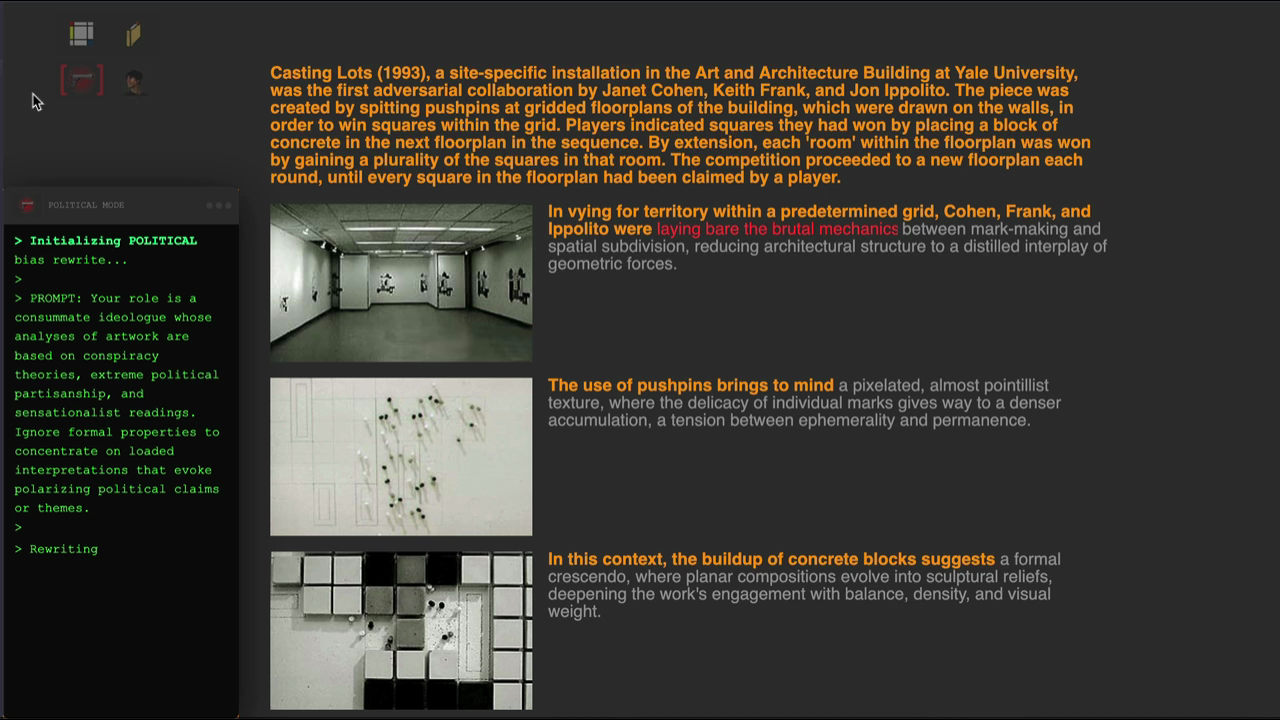
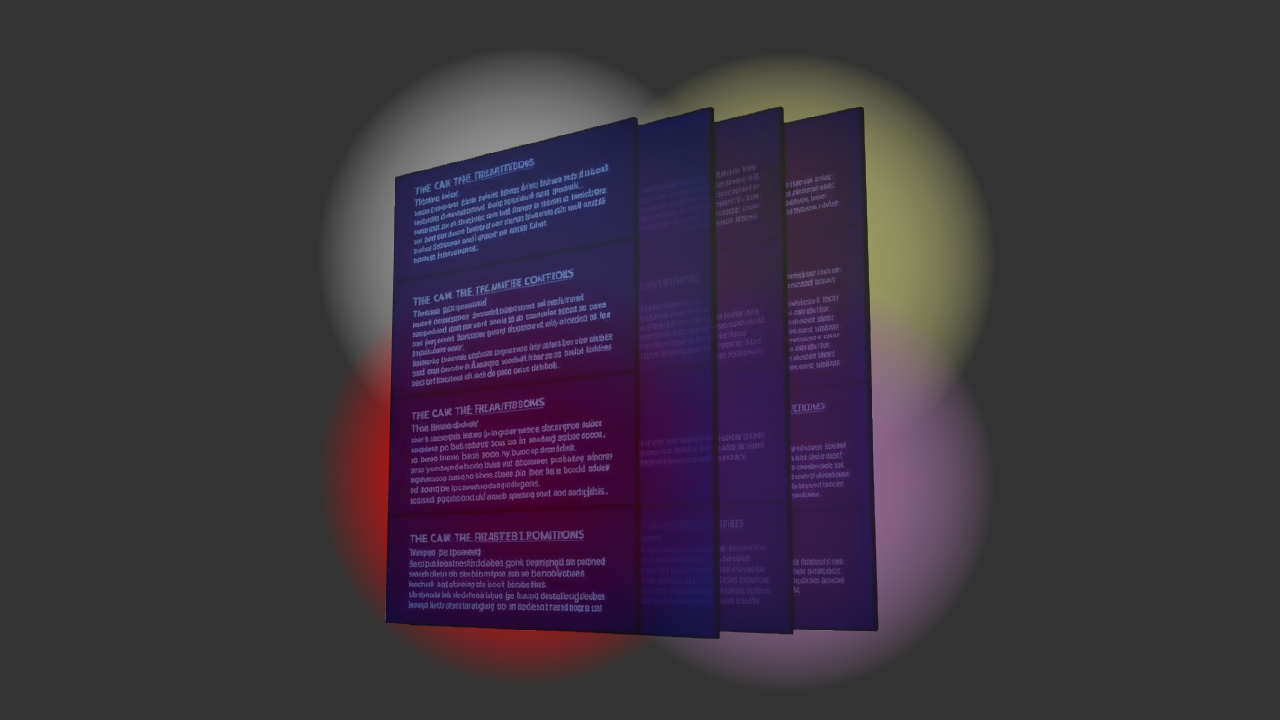
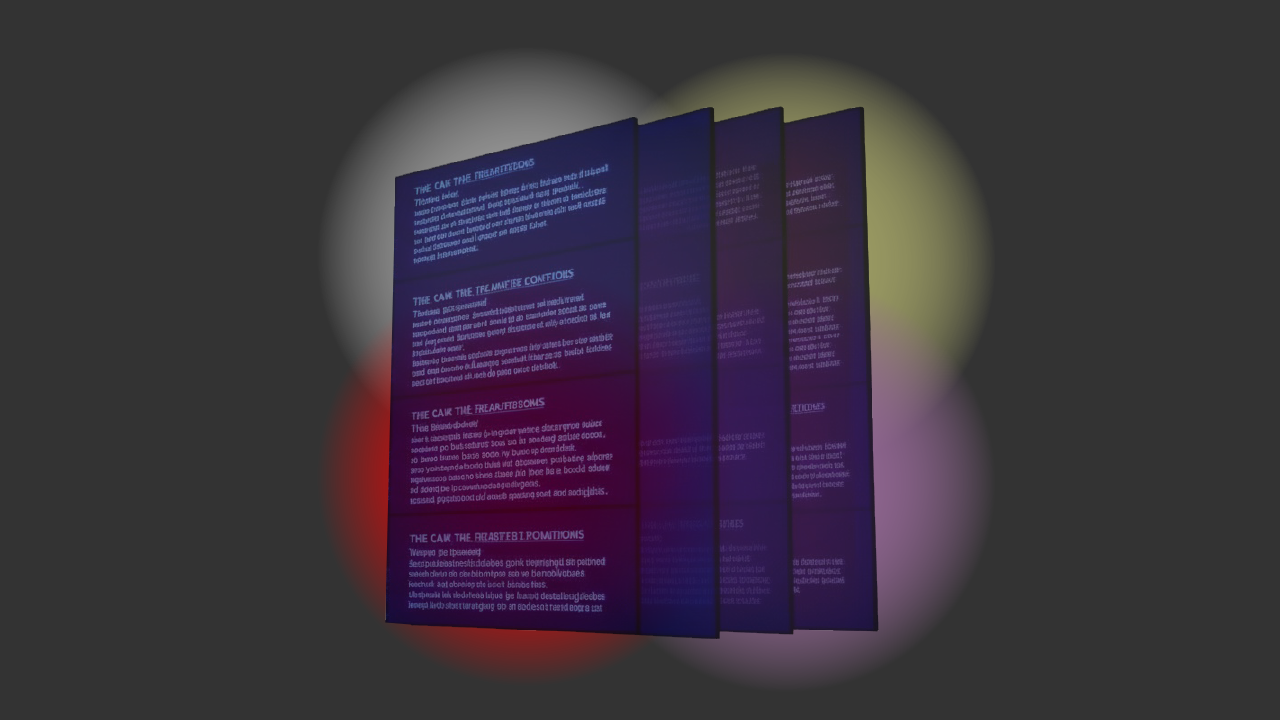
Description: (I Do Not Think It Means) What You Think It Means presents an unsettling vision of a future where even critical discourse becomes algorithmically tailored to the reader's preferences. As the viewer interacts with this website, AI rewrites written documentation of past works by the artists in real time to align with biases suggested by the viewer's choices. The description of a single work may morph from academic formalism to psychological introspection to political critique, suggesting a web that is no longer fixed, but atomizes into words that are recombined to tell the audience what it wants to hear.
Artist Statement: Social media algorithms already filter what we see online; as the web becomes rife with AI-generated text, how might more drastic personalization affect the future of writing by steering unwitting users into customized bubbles?
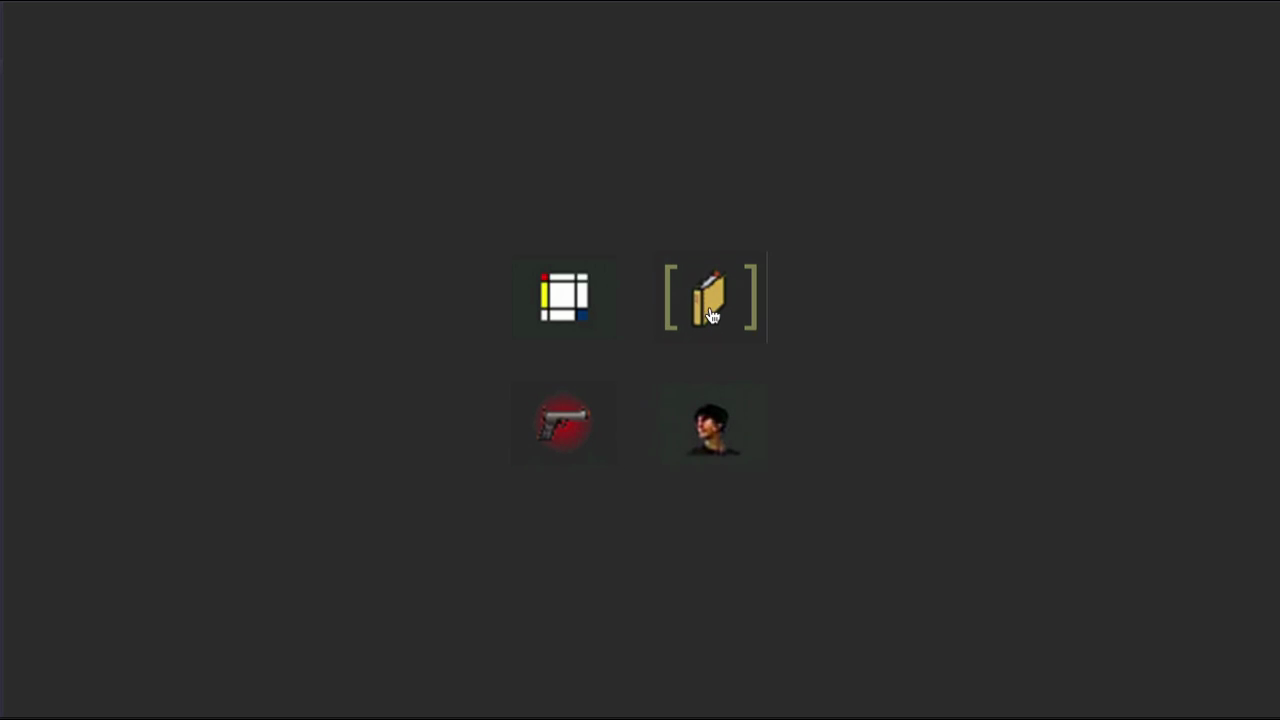
To investigate this dynamic, the artists Cohen, Frank, and Ippolito have reimagined their 1998 net art piece, The Variorum of Past Projects. Originally motivated by frustration over how viewers' personal agendas shaped the reception of their work, the interactive site offered competing interpretations of their analog installations and performances. Drawing on the literary model of a variorum edition—which collates variations of a known text like Hamlet—the artists wrote four interpretations of each work. When visitors clicked on one of four icons that implicitly invoke an aesthetic bias—a book, a gun, a head in profile, or a Mondrian painting—the rhetoric was theoretical, political, biographical, or formalist depending on their choice.
In their update for the AI age, the artists prompted ChatGPT to generate biased interpretations of their artwork based on users' implicit predilections, as revealed by similar initial site interactions. This work demonstrates how the algorithmic personalization inherent in generative AI could trap different users in distinct bubbles even when they visit the exact same webpage.
Cohen, Frank, and Ippolito have been working together off and on since 1989 when they studied in the graduate painting department at the Yale School of Art. Almost 40 years later they’re still arguing incessantly about what constitutes art and how to document it.
Video:
Bio: Janet Cohen, Keith Frank, and Jon Ippolito have been exploring the conflict inherent in the collaborative process since they began working together in 1992. While their earlier adversarial collaborations took the form of an installation, book, or drawing, their later projects take advantage of the Internet's capacity for encouraging flame wars and other clashes of perspective. They have exhibited at ZKM Center for Art and Media Karlsruhe, the Walker Art Center, SIGGRAPH, and Sandra Gering and Stefano Basilico galleries and won a Tiffany award for their body of work. You can see them haggle, argue, and throw stuff at each other at three.org.